Not Just a Race. A New Kind of Ocean Science.

Because high-speed submarine sport is revealing low-resolution gaps in coastal data.


FUTURE COASTAL OCEANOGRAPHY STARTS HERE

Because traditional ocean models weren’t built for the complex inshore zones we now explore.

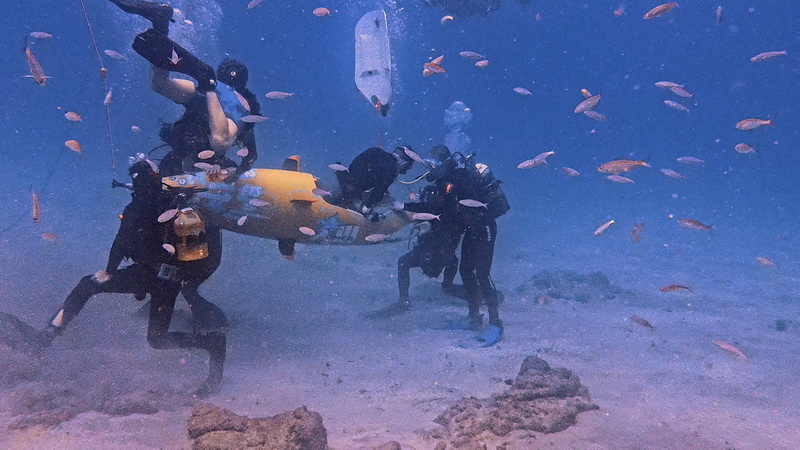
Submarine racing is a spectacle, and beneath the waves it’s also a science lab.
We are  redefining the relationship between sport and science by investing in the development of Subsea Observational Systems, who will create innovative high resolution algorithms that transform data from inshore waters into rich digital models.

Our arenas are more than just racing locations.


They’re data-scarce zones where high-resolution modelling has lagged behind for decades.

We’re changing that … one digital twin at a time.
WHY COASTAL MODELS MATTER MORE THAN EVER

While global ocean models have evolved over the decades, inshore coastal zones remain under-modelled and under-observed. These shallow, fast-changing environments are where 80% of the ‘blue economy’ will take place, but increasing usage is creating demands for better data, for scientists, and for coastal communities as well as the pilots who want to train and race in these areas.  We can get weather forecasts on shore almost down to street level, but ocean models lack this precision in inshore waters.

With increased human activity, the unsure effects of future climate change, and drive for innovation in marine technology, the need for precise high resolution inshore models has never been greater.

CREATING AN INSHORE DIGITAL TWIN

A New Kind of Ocean Observatory

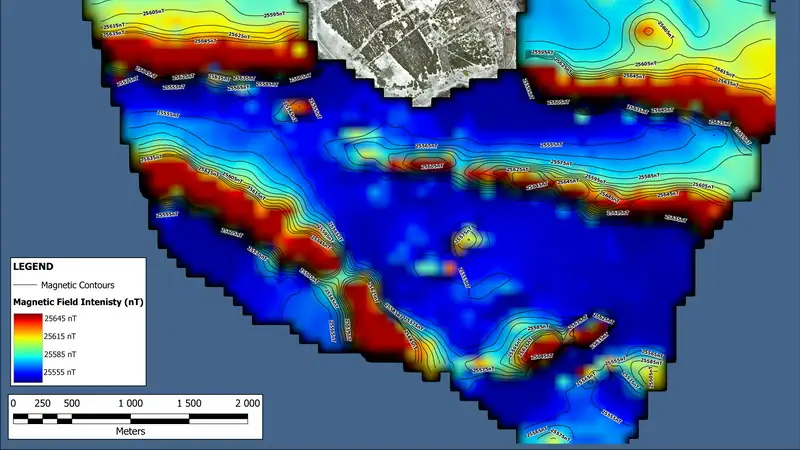
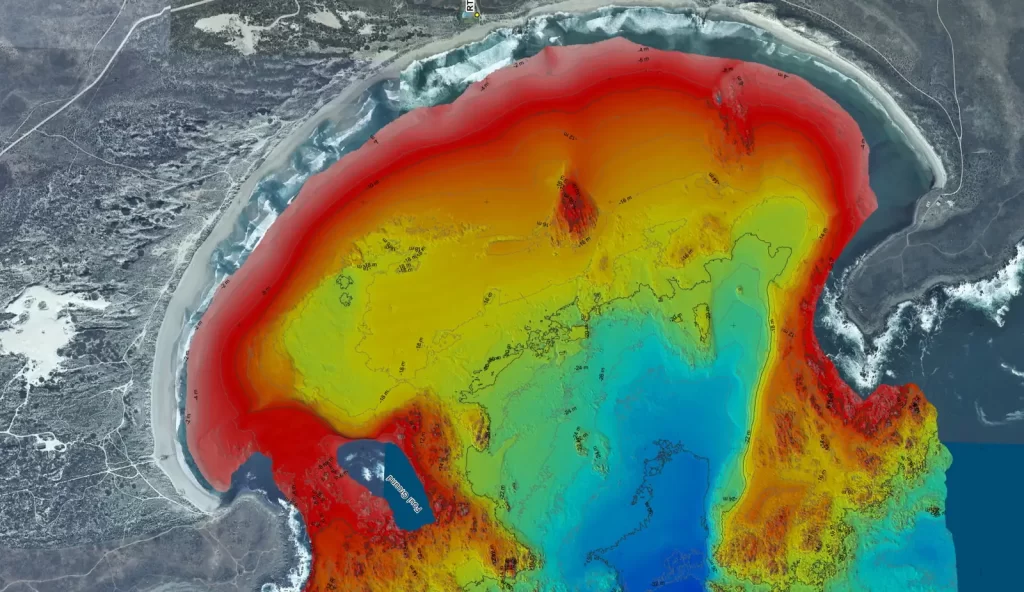
We’re crafting high-resolution digital twins of our racing arenas, and these detailed 3D environments will then allow us to monitor and then simulate and better understand the forces shaping inshore waters.  Data will be constantly collected on the strength and direction of currents, temperature, and other local efffects.

Each arena becomes a testbed.


Each race generates real-world conditions that feed into long-term observation.
And each location leaves behind a model that benefits science far beyond the event itself.


FIRST STEPS TO A GLOBAL INSHORE MODEL

Our first step to develop an inshore model is with Project Gemelo.  This will create a high-resolution digital twin for the Bahia de Arinaga in Gran Canaria, which was chosen for its scientific, ecological, and oceanographic value.

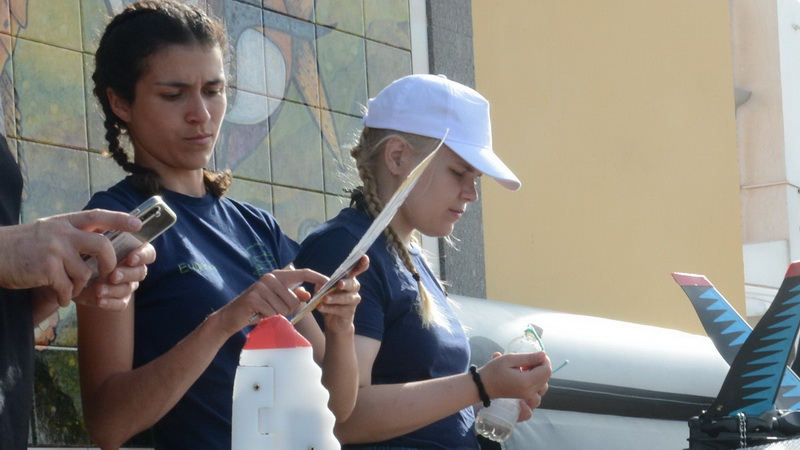
Project Gemelo will capture the true variability of currents, tides and temperatures at high resolution, and is being developed with local partners including eLittoral and the Ayuntamiento de Agüimes 

The data from this model will not only support our competitions but will support innovation and training for graduate ocean engineers, testing sites for new tech, and provide a platform for international collaboration. 

Developing Project Gemelo aligns us with the UN Ocean Decade Goals (specifically Challenges 8, 9, and 10), positioning it as an important contributor to global ocean research.

(‘Gemelo’ is the Spanish word for twin, and is pronounced heh-MEH-loh!) 


MONITORING THE LIVING OCEAN

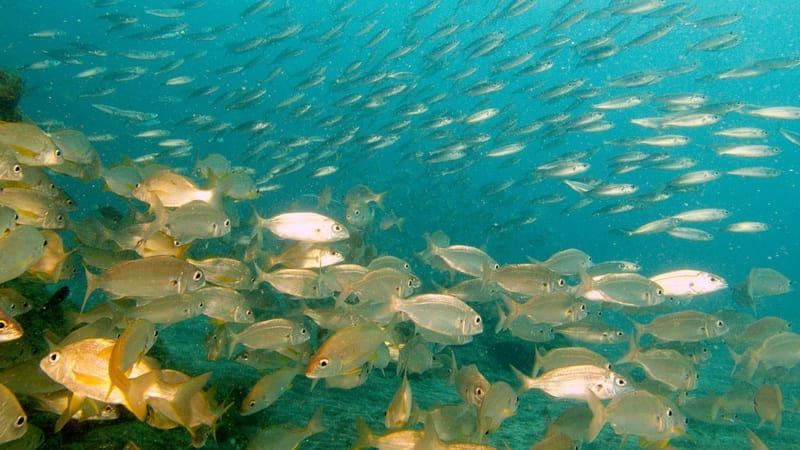
Beyond physics and chemistry, Subsea Observation System will shine a spotlight on marine life. Through visual sampling  and using optical, acoustic, or satellite-based tools, we want to work with local partners to map and monitor key ecological features such as: 

  • Seagrass beds: critical for biodiversity and carbon storage. 
  • Phytoplankton and algae: indicators of productivity and water quality. 
  • Avian and marine fauna: vital components of coastal food webs. 

By combining the results with the digital models we will provide detailed results that can be to guide habitat development or restoration, monitor species health, and support local development plans.

Where Sport Powers Science

This is the first time competitive sport is being used to fund and fuel sustained inshore ocean observation at scale.

The SubRacing Series won’t just thrill spectators—it will energize a new generation of ocean science. Subsea Observation System will be the invisible engine beneath the race: a network of sensors and diagnostics, creating the digital twins and real-time data flows that will transform our relationship with the sea. 

Through this initiative, the inshore ocean will no longer be a blind spot in global science. It will become a high-resolution, continuously monitored ecosystem which is open, accessible, and understood. 

This is more than a race. This is a scientific moonshot beneath the waves. 

We are doing this because racing should leave more behind than just a few ripples.
It should leave behind knowledge.